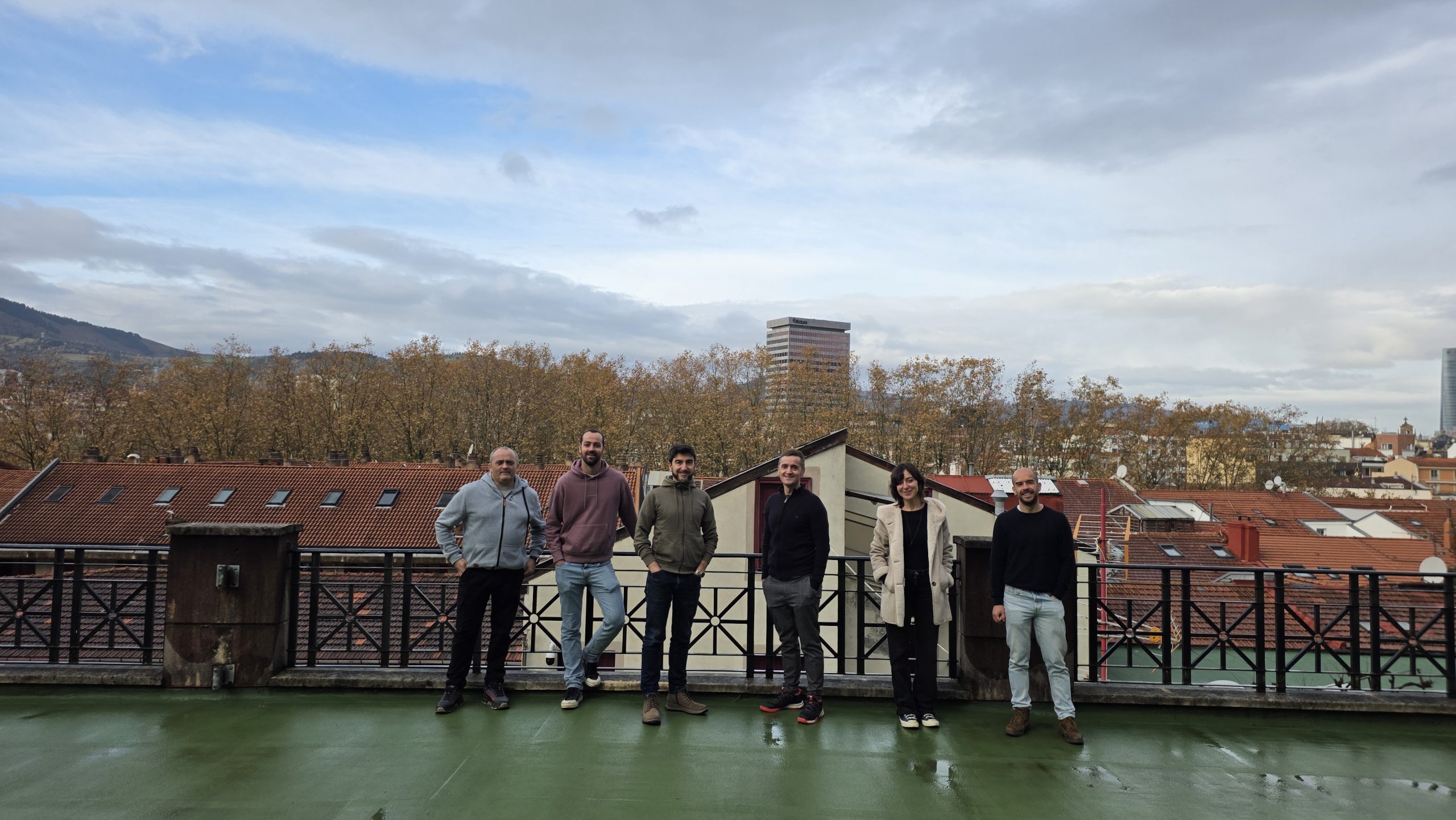
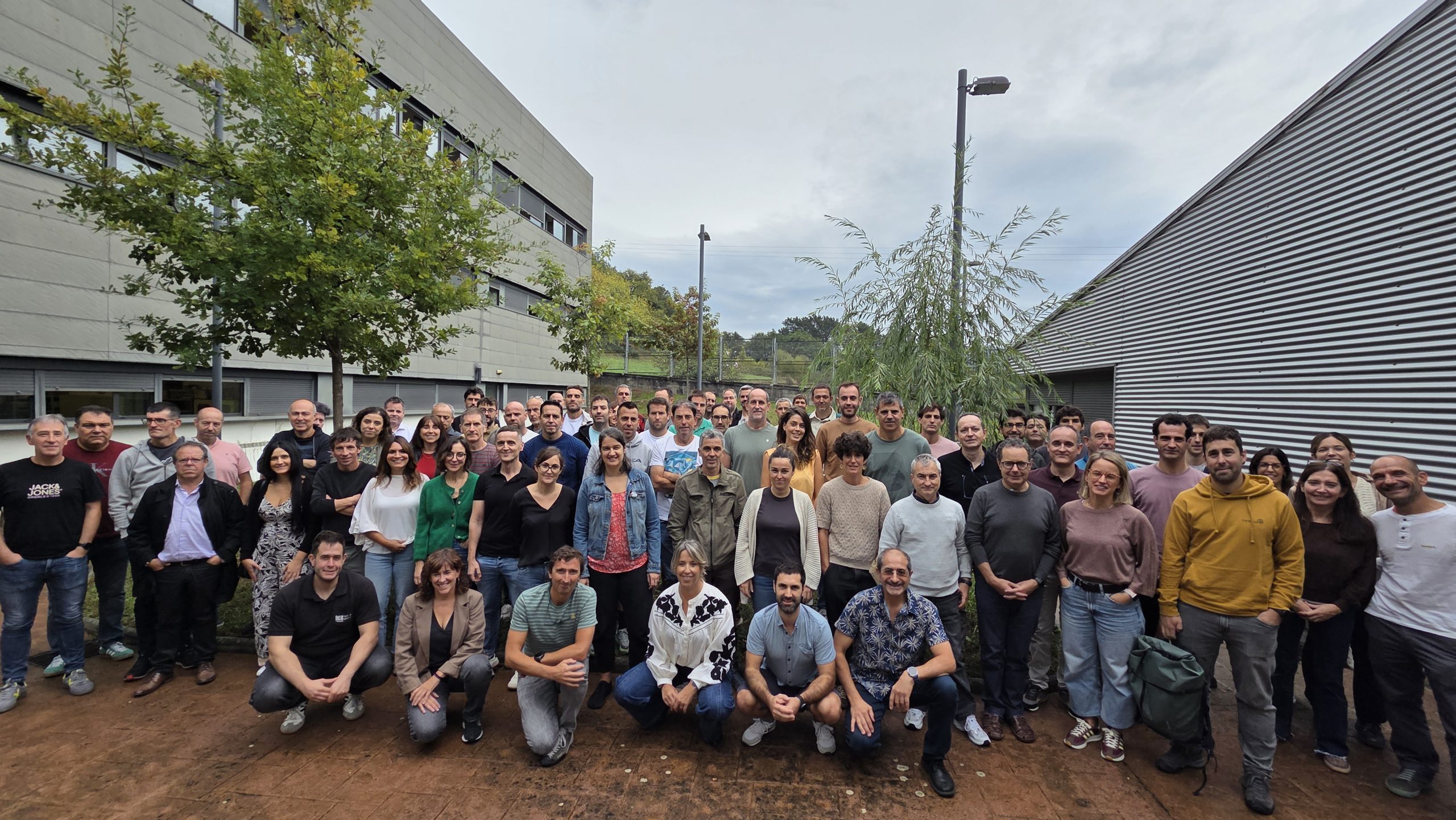
In line with the TKgune Programme’s Strategic Plan 25-28, regional meetings have been held throughout the academic year to strengthen relationships between schools, under the guidance of Tknika.
The initiative aims to strengthen the network between schools, promote collaboration, share experiences and provide support to those facing difficulties.
A total of 52 schools have been organised regionally in groups of 5-6 members to foster opportunities for collaboration and synergies.
At the request of the network
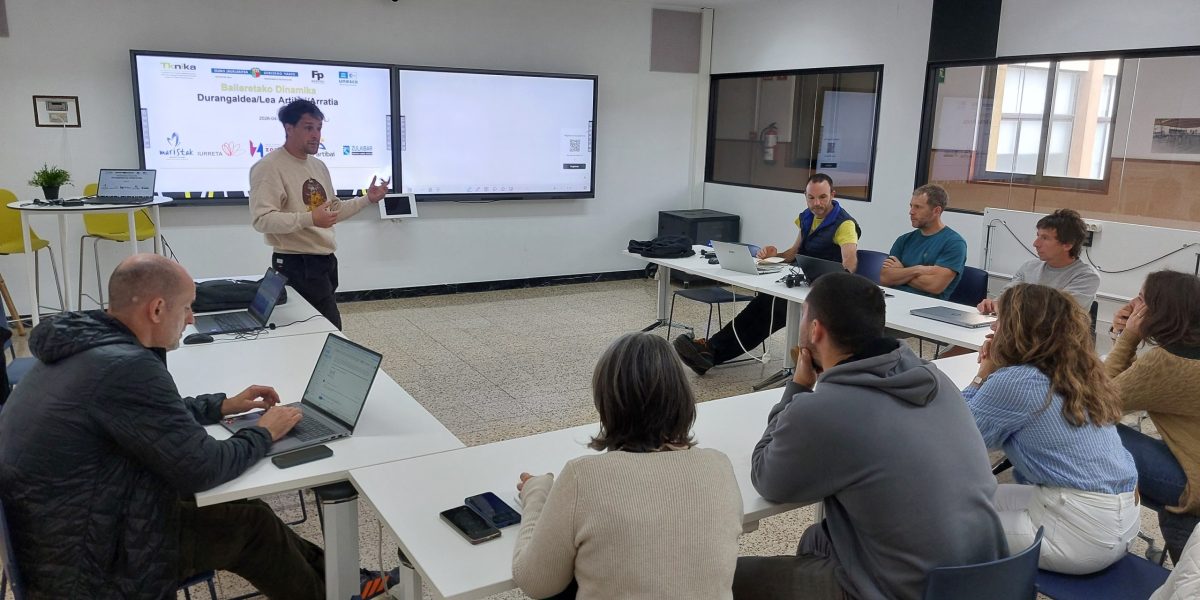
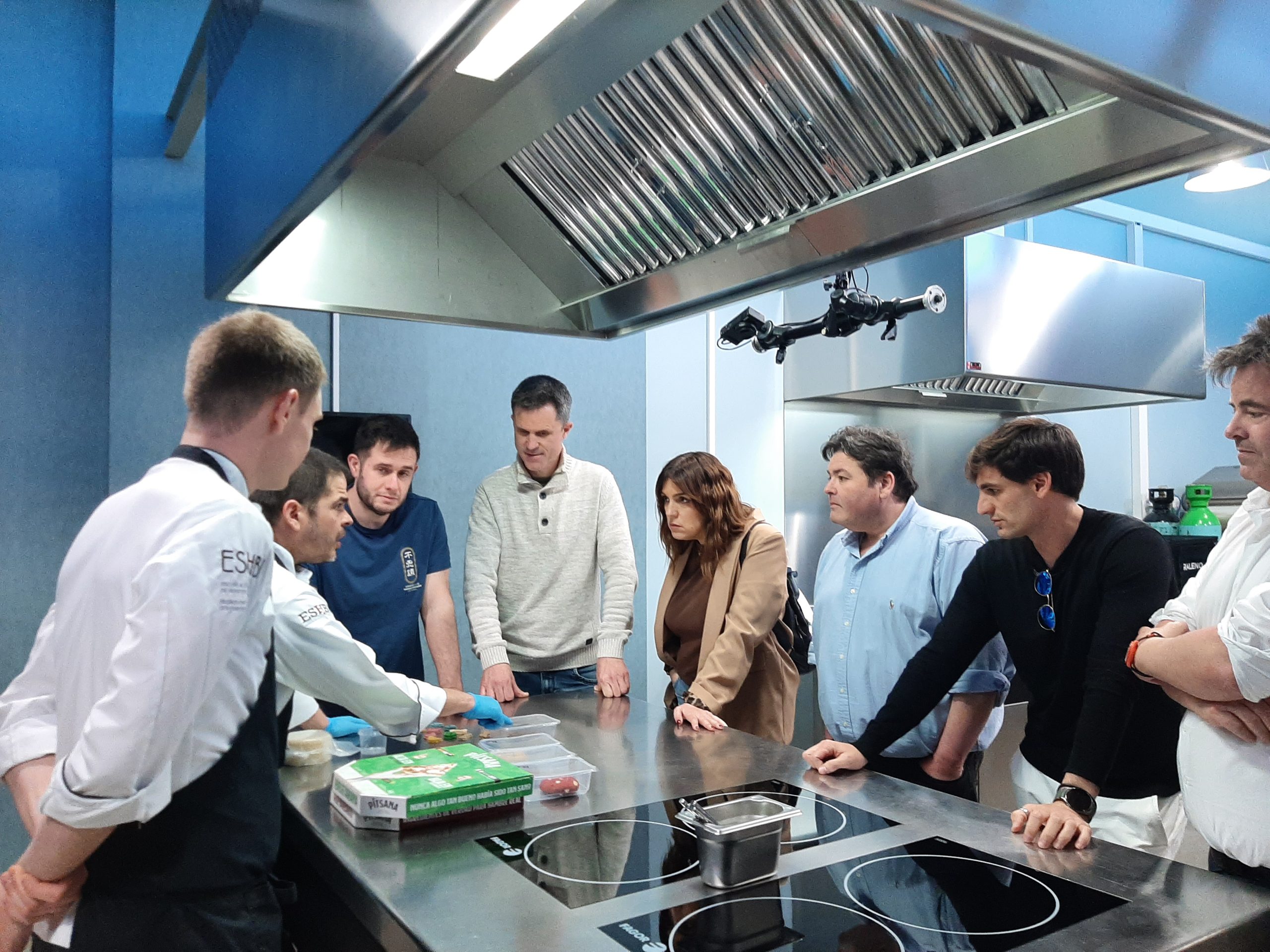
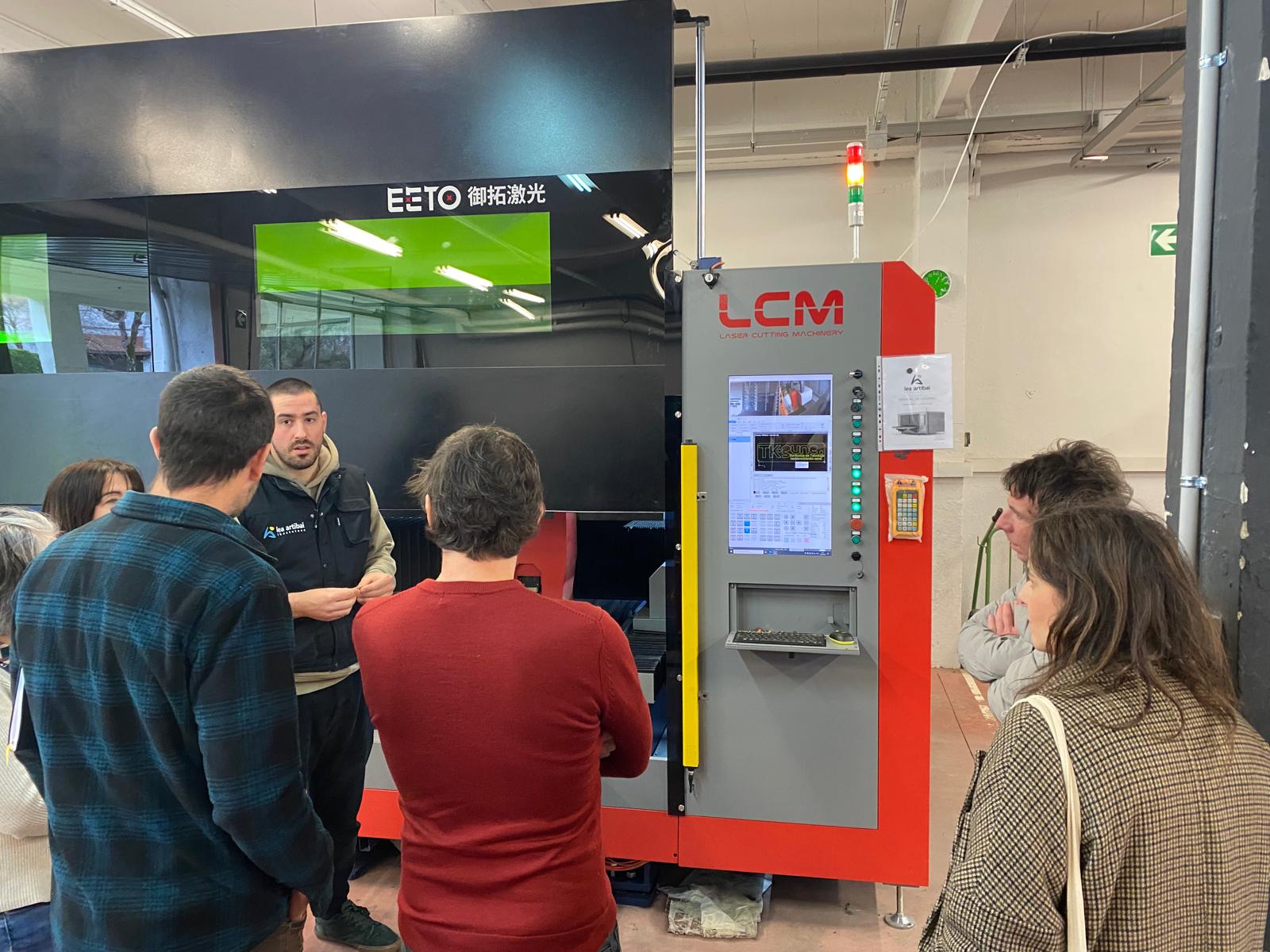
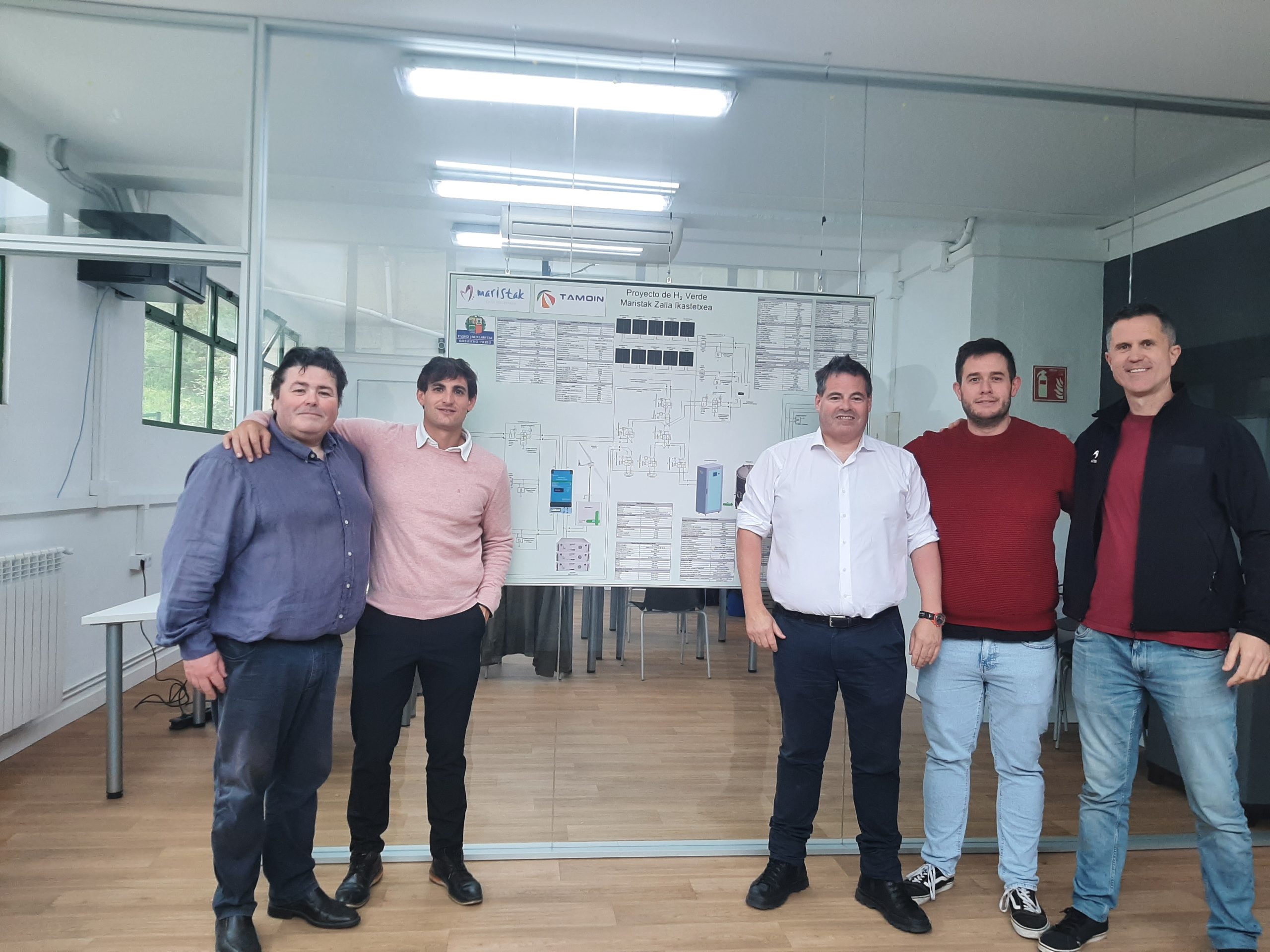
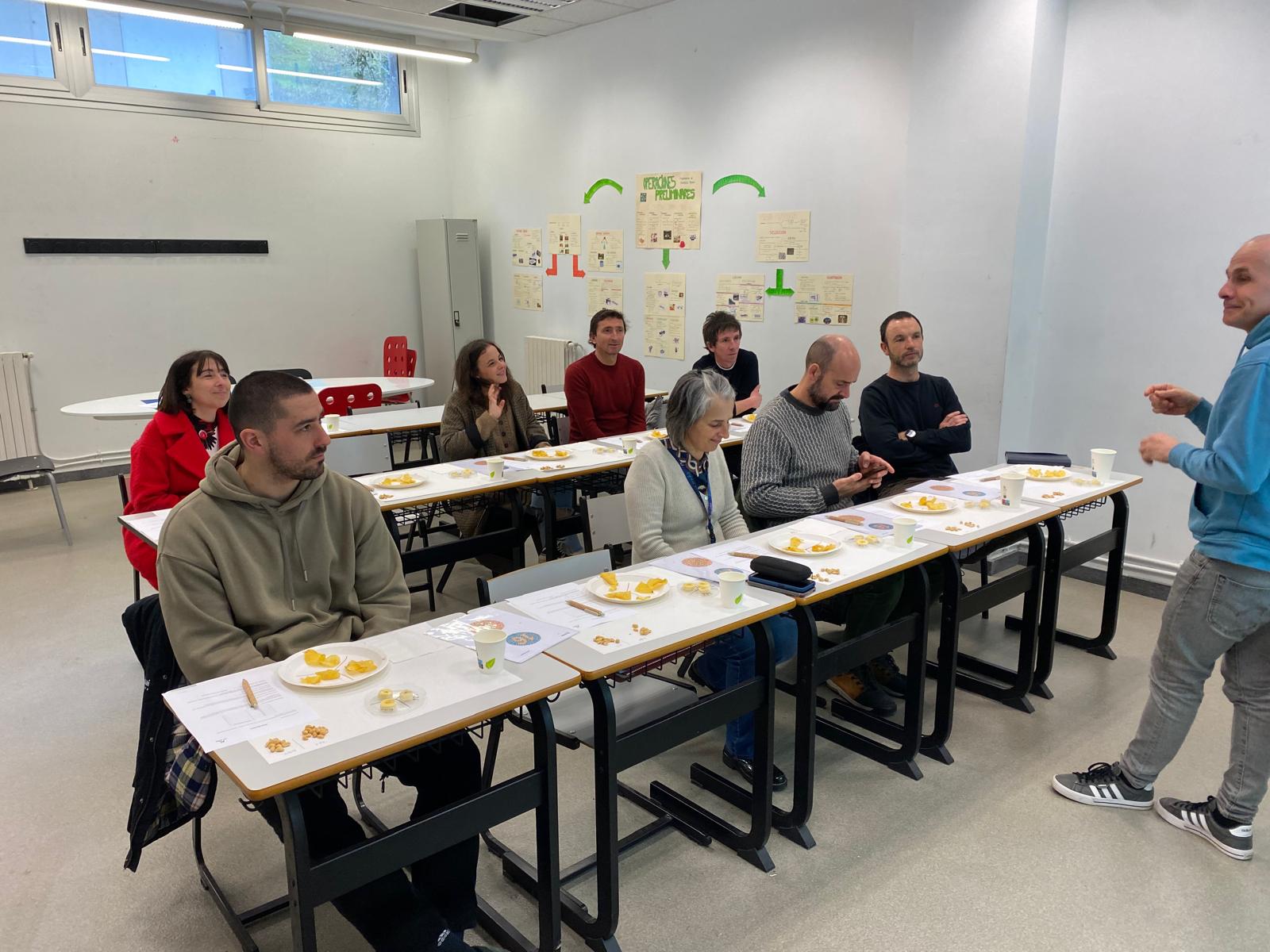
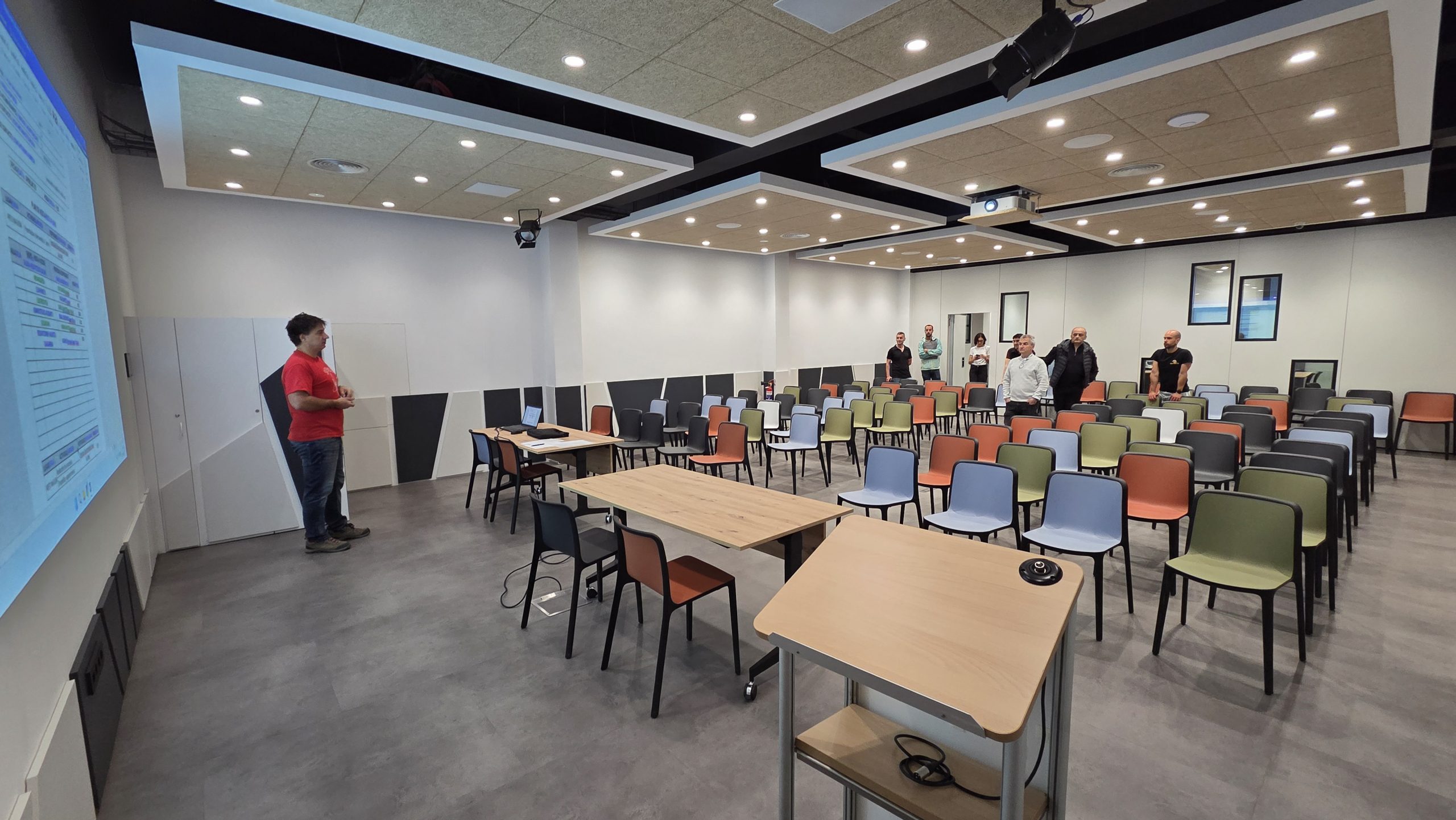
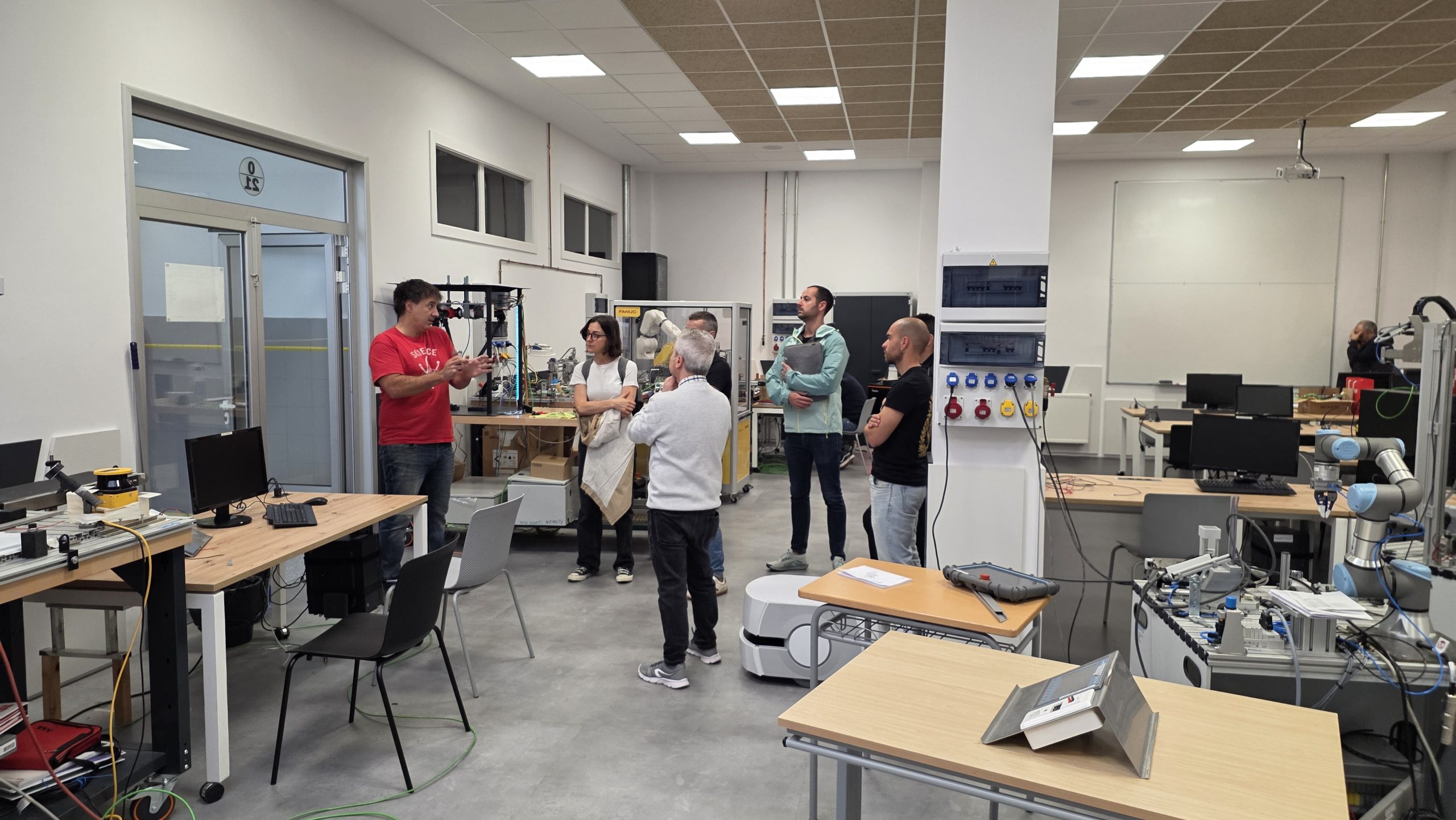
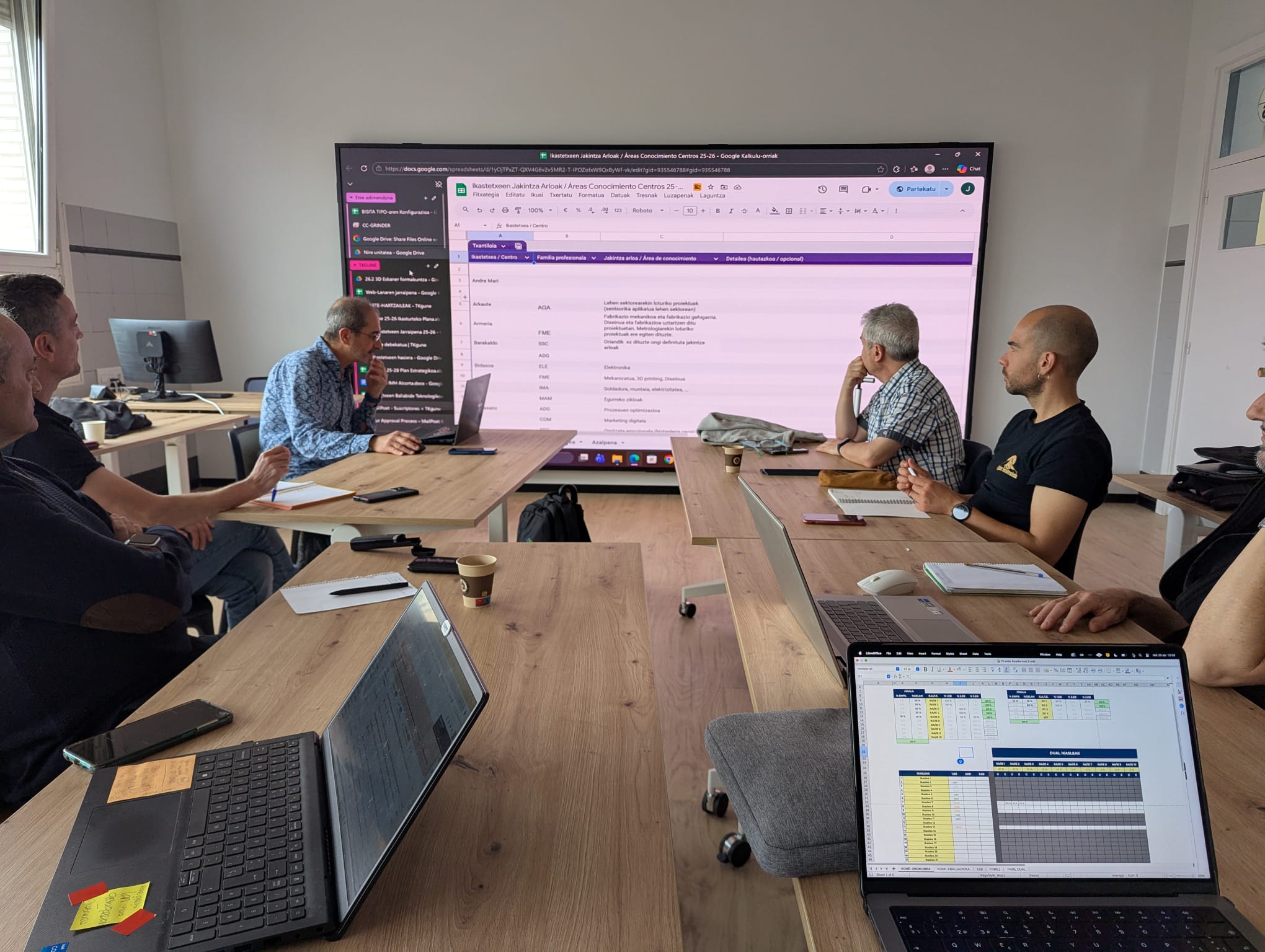
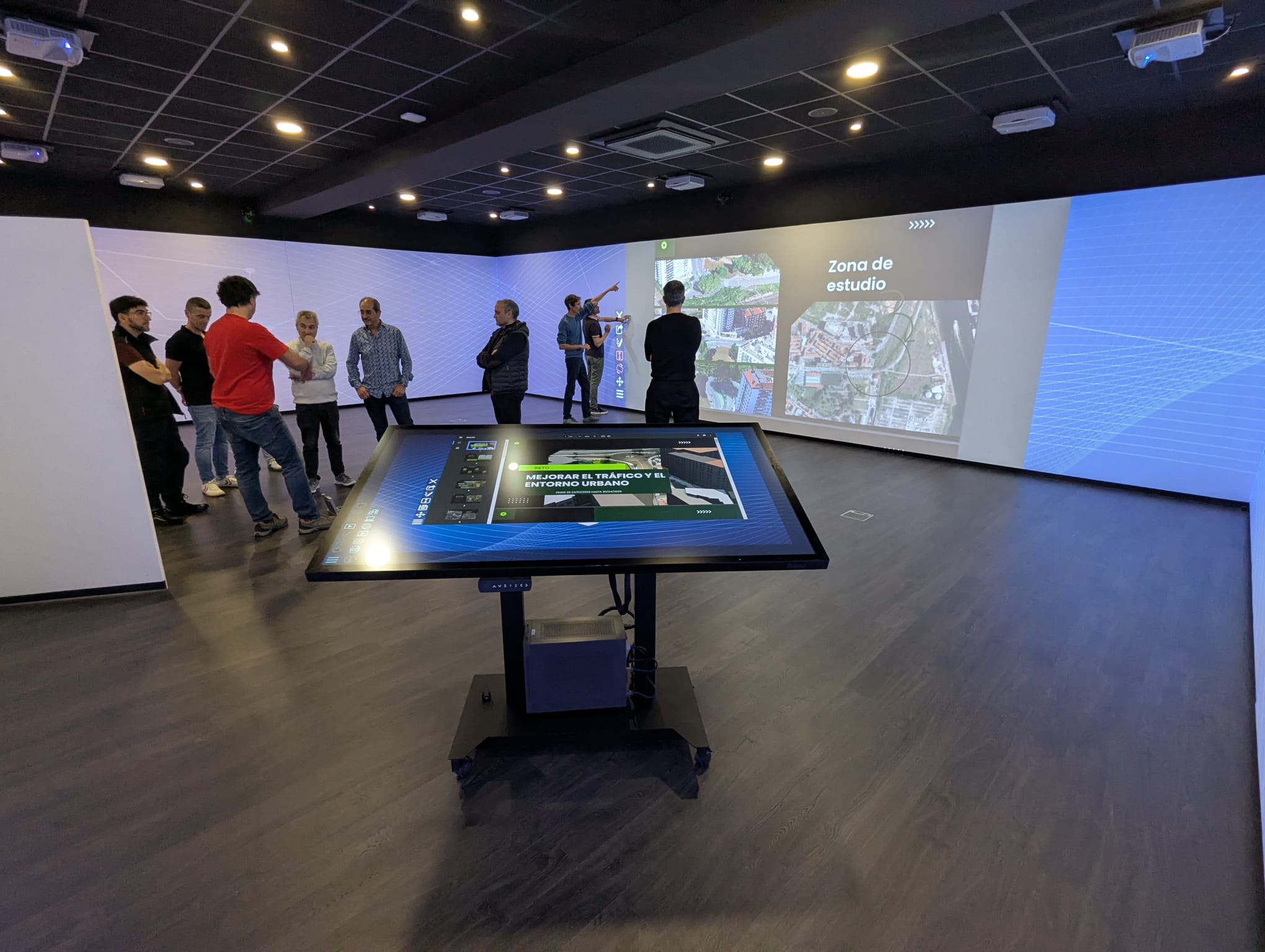
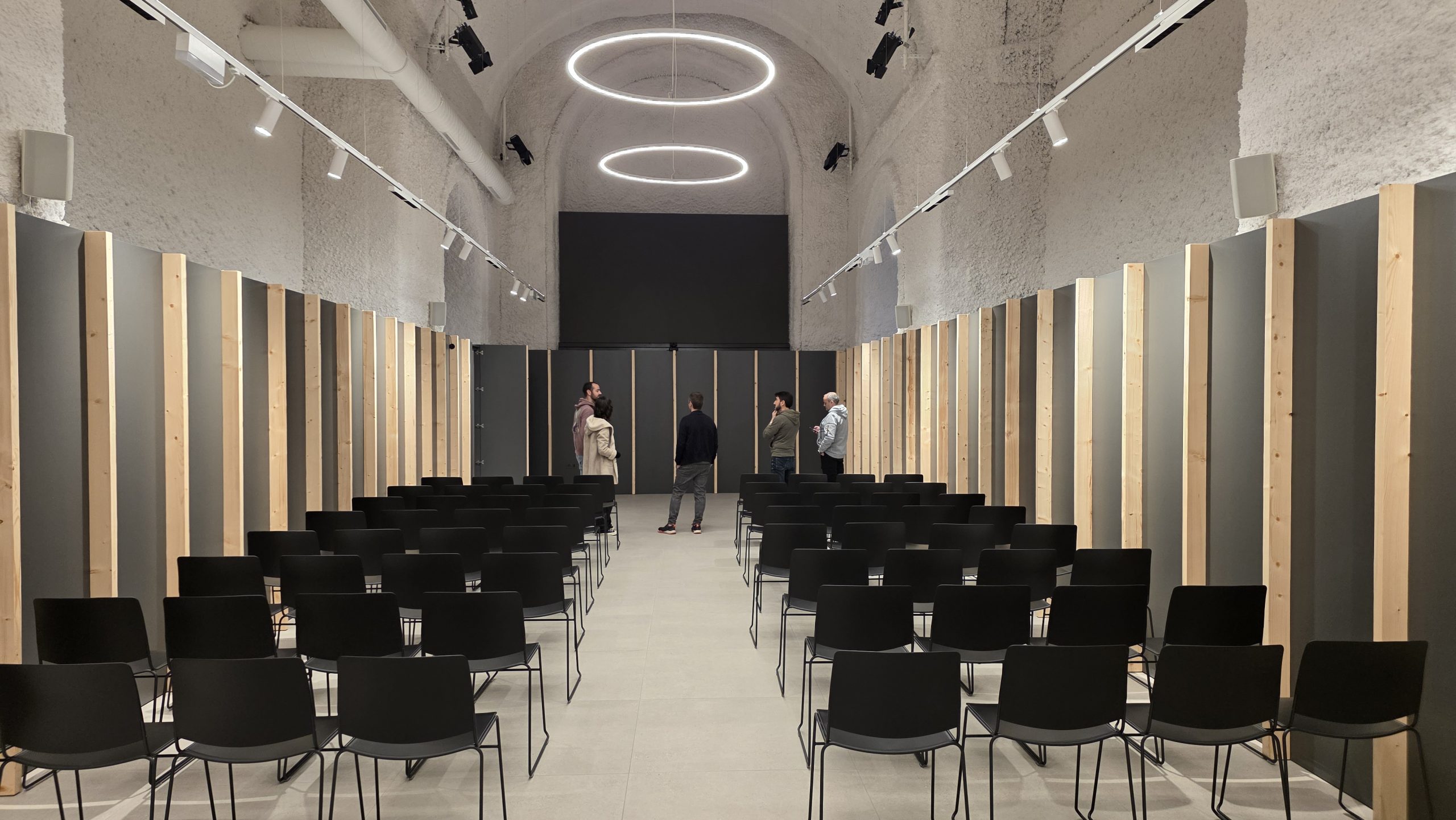
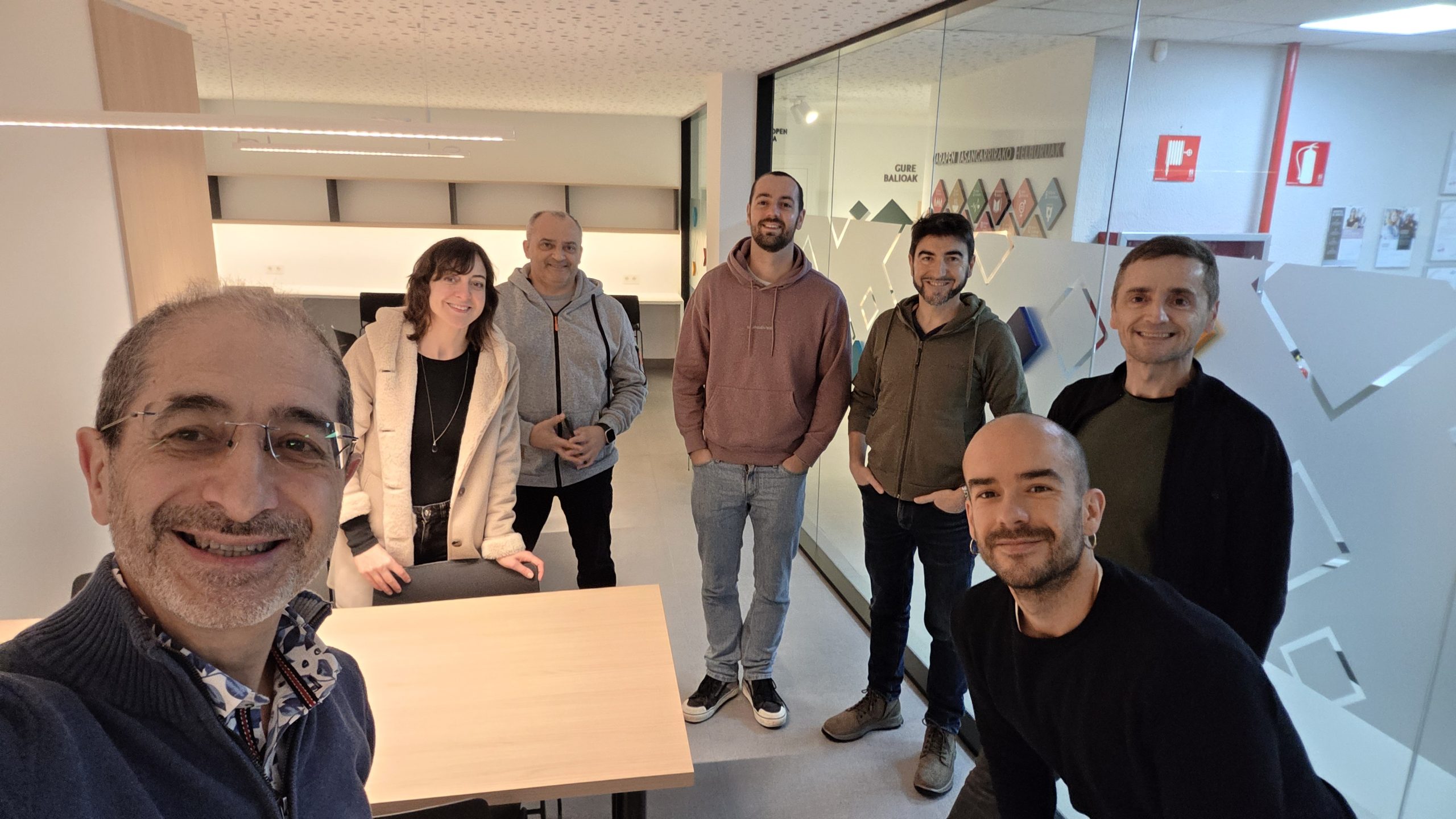
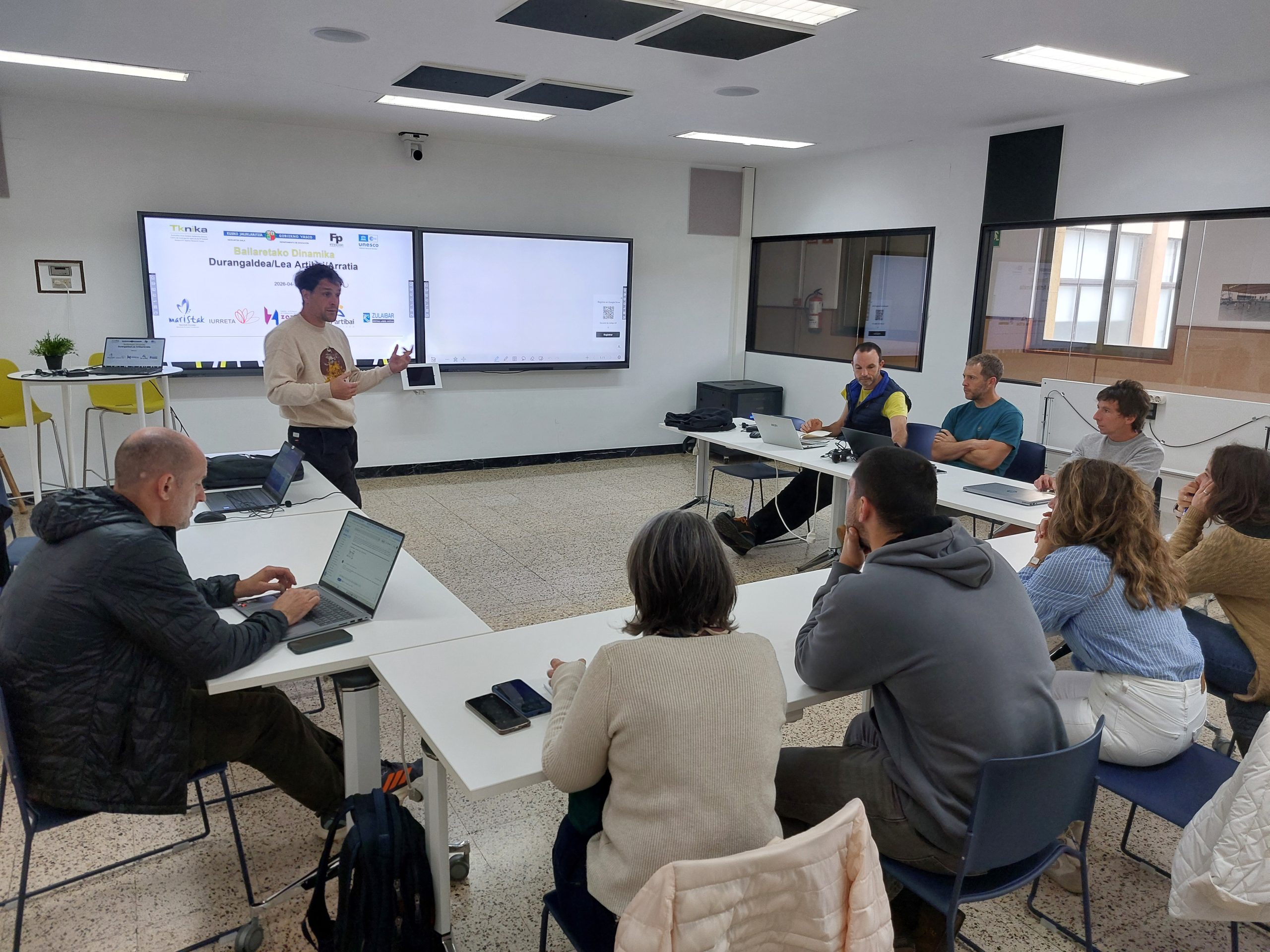
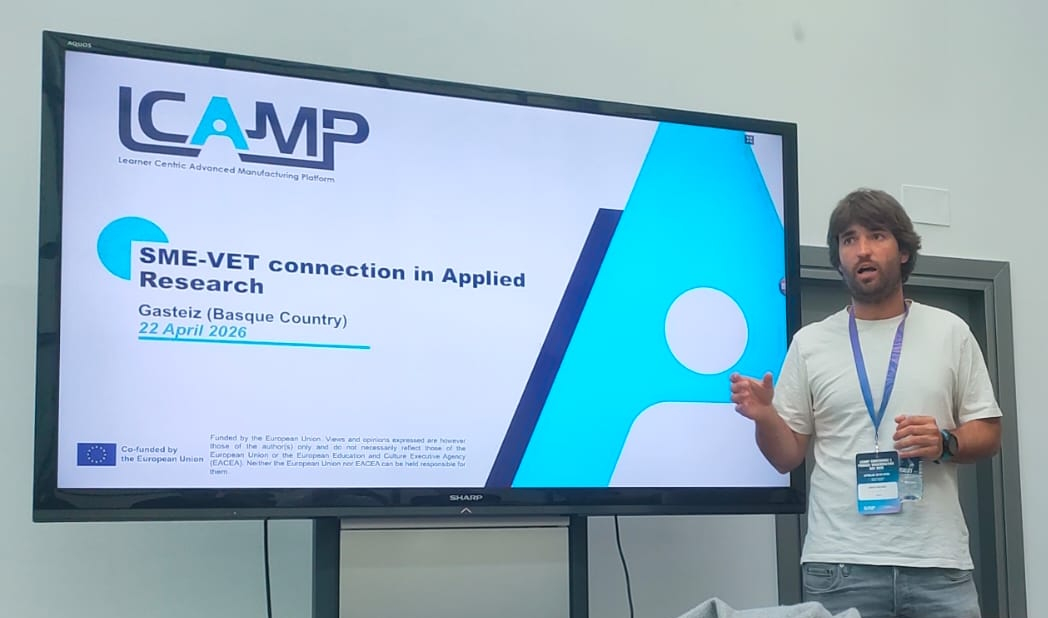
As one of the requests made by the school coordinators during the development of the TKgune Programme’s 25-28 Strategic Plan was to promote relationships and mutual knowledge between schools in the region or valley, throughout this academic year, among schools at a regional level, Under the guidance of collaborators from the Tknik TKgune team, two or three meetings have been held.
The first meetings took place at the beginning of December, and the subsequent rounds of meetings were held between March, April and May.
In the sessions we have gotten to know each other better, we have shared positive experiences, new ways of working, different opinions on the difficulties that arise, in short, we have strengthened the ties between the coordinators of each region.
As we have had positive feedback from this initiative, in principle we have the idea of continuing with it for the next academic year 2026/27.
We thank all the participants for their active collaboration in the regional sessions.